
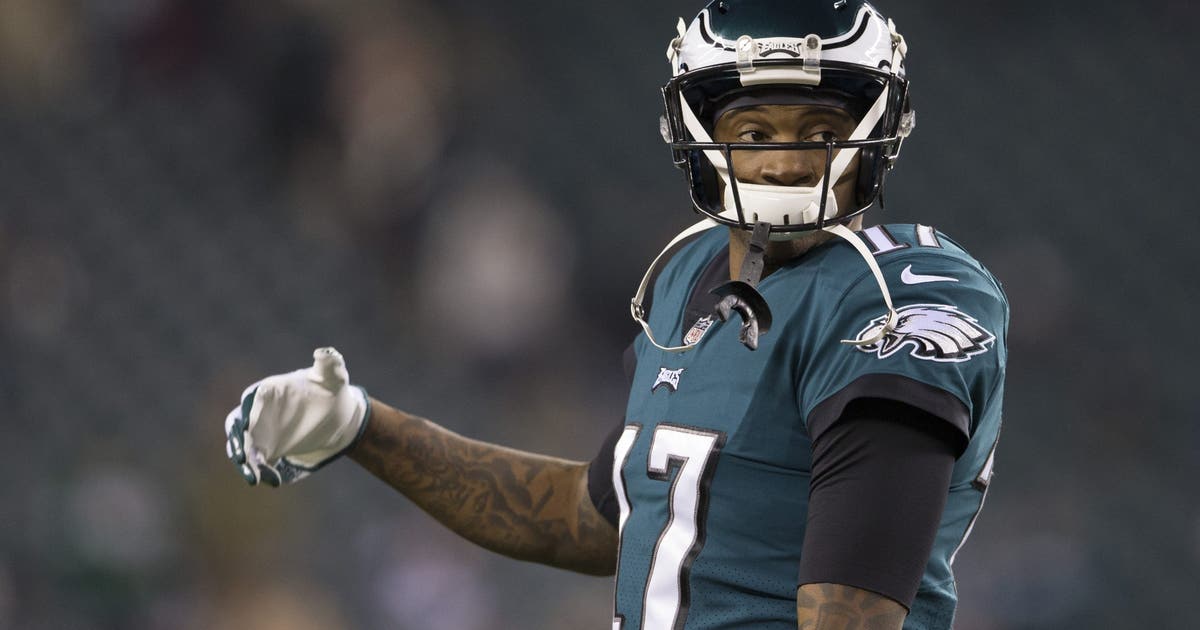
In April 2026, former Philadelphia Eagles wide receiver Alshon Jeffery was arrested on charges of auto insurance fraud. The alleged scheme is about as straightforward as this kind of crime gets — which is exactly what makes it worth talking about.
According to the charges, on September 21, Jeffery was involved in a rear-end collision with a Tesla. The problem: his auto insurance policy had lapsed. So, the story goes, he obtained a new policy on September 24 — three days after the crash — and then tried to file a claim on the incident, apparently hoping no one would notice the dates didn't line up.
Someone noticed.
What "Soft Fraud" Actually Is
Jeffery's alleged scheme falls into a category insurers call "soft fraud" or "opportunistic fraud." This is distinct from the organized, premeditated fraud rings we write about here regularly — the staged accidents, the ghost clinics, the multi-million dollar networks. Soft fraud is committed by ordinary people who find themselves in a bad situation and make a bad decision.
It includes things like:
- Letting a policy lapse, getting into an accident, then claiming the accident happened while covered
- Filing a claim for damage that happened before the current policy began
- Inflating a legitimate claim — a $2,000 repair becomes a $4,500 claim
- Claiming a theft that didn't happen, or wasn't theft
Soft fraud is extremely common. The Coalition Against Insurance Fraud estimates that soft fraud costs the industry billions annually — and those costs flow directly into premium pricing for everyone else.
The Consequences Are Serious
Jeffery is reportedly facing up to five years in prison and fines of up to $50,000. That's the range for auto insurance fraud in many states — and it applies regardless of whether you're a former NFL receiver or a high school teacher. The law doesn't have a "I panicked" exception.
It's worth noting that insurance companies have gotten considerably better at detecting exactly this kind of scheme. Policy effective dates, claim dates, crash report timestamps, and accident scene data from vehicles' own black boxes can all be cross-referenced. The window of opportunity for backdating fraud has gotten narrower as data has gotten better.
Why This Costs You Money
Here's the part that tends to surprise people: insurance fraud committed by individuals — not organized rings — accounts for a significant portion of total fraud losses. And those losses are distributed across every policyholder through rate increases.
When insurers pay fraudulent claims, they model that into their actuarial tables. Your ZIP code's fraud rate affects your premium. If your neighborhood has a history of claims fraud — whether by organized rings or opportunistic individuals — you pay more than someone in a lower-fraud area with an otherwise identical profile.
Soft fraud isn't a victimless shortcut. It's a transfer of money from honest drivers to dishonest ones, with insurance companies as the unwilling intermediary.
The Temptation Is Understandable. The Risk Is Not Worth It.
When someone's policy lapses and they get into an accident, the financial pressure is real. Facing a repair bill or liability claim without coverage is genuinely stressful. The temptation to fudge the dates, inflate the loss, or otherwise shade the truth on a claim is something a lot of people face.
The Jeffery case is a reminder of where that decision leads. Insurance companies investigate. They compare dates. They pull records. And the penalties for fraud — criminal charges, policy cancellation, being blacklisted from future coverage — are far worse than the original problem.
If your policy lapses, the right move is to contact your insurer immediately about reinstatement options, pay any outstanding premiums, and deal with the accident honestly. Messy? Yes. Better than fraud charges? Absolutely.
For more on protecting yourself and understanding your rights, visit our consumer protection resources.