
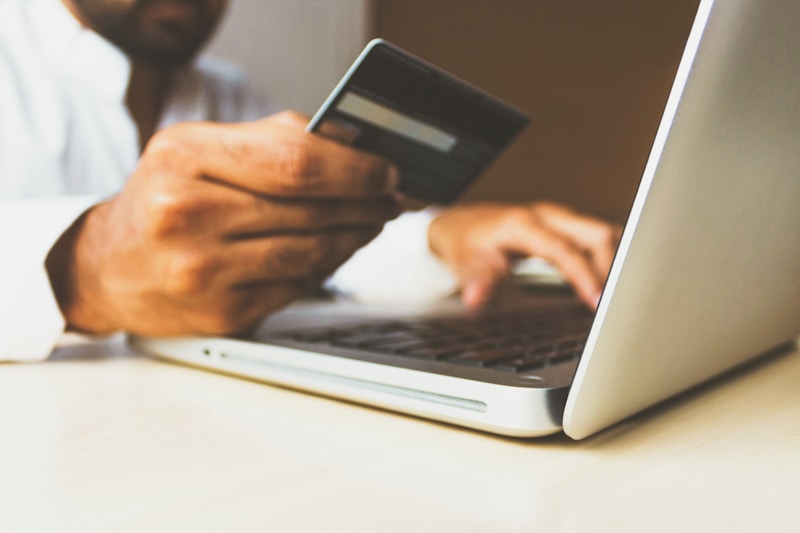
According to Point Predictive's 2026 Auto Lending Fraud Trends Report, auto finance fraud reached a record $10.4 billion in losses last year. That number reflects fraud against lenders — but the downstream effects hit consumers directly through tighter lending standards, higher rates, and in some cases, legal disputes over loans taken out in their names.
This is what happens when identity fraud meets an industry that moved buying and financing online faster than it built safeguards.
What's Driving the Numbers
Identity fraud is the engine. The single largest category of auto finance fraud involves stolen or fabricated identities being used to obtain vehicle loans. A fraudster uses your Social Security number, your address history, and your credit profile to finance a vehicle in your name. You don't find out until a collection call arrives or you check your credit report.
The shift to remote and online vehicle purchases made this dramatically easier. When a dealer can't physically verify a person's identity in a showroom, fraudsters can submit applications remotely using stolen data with minimal friction.
Synthetic identity fraud is harder to detect. This is the more sophisticated variant: rather than stealing an existing person's identity outright, fraudsters construct a new identity by combining real elements (like a real Social Security number, often belonging to a child or someone with little credit history) with fabricated personal details. The synthetic identity is then cultivated over time to build a credit history before being used to obtain large loans.
The Tricolor case — in which executives fabricated borrower payment records — is a different beast but illustrates the same vulnerability: lenders relying on data they don't independently verify.
Digital dealers create new attack surfaces. The growth of online-only car dealers — platforms where you buy, finance, and arrange delivery of a vehicle entirely remotely — has created opportunities for fraud at scale. A single fraudster or fraud ring can submit dozens of applications to multiple lenders simultaneously, in a way that would be physically impossible in a traditional dealership.
How This Hurts Legitimate Buyers
If you've noticed auto loan rates staying stubbornly high even as other credit loosened, fraud losses are part of the explanation. Lenders build expected fraud losses into their pricing — which means honest borrowers subsidize the fraud through higher rates.
Beyond pricing, there's a more direct harm: identity fraud victims can find their credit scores damaged by loans they never took out, collection activity on vehicles they never possessed, and in some cases, legal action tied to a debt that isn't theirs.
How to Protect Yourself Buying a Car Online
Online car buying is legitimate and often convenient. But there are specific steps that matter more in a remote transaction:
Use secure, verified platforms. Established platforms with fraud detection infrastructure are meaningfully safer than buying from a private seller on Craigslist or Facebook Marketplace. This doesn't mean you should never buy from a private seller — just that the risk profile is different.
Protect your SSN until you're serious. Dealers and lenders need your Social Security number to run a credit check. Give it only when you're ready to apply for financing at a specific dealer. Be skeptical of any site or app that asks for it upfront as part of "pre-qualification" before you've selected a vehicle.
Monitor your credit during and after any car purchase. If someone fraudulently applied for a loan in your name during the process, it will show up as an inquiry. If you see an inquiry you don't recognize, dispute it immediately.
Check the dealer's license. State DMV websites maintain databases of licensed dealers. If you're buying from a dealer you haven't heard of, verify their license before sending any personal information.
Get the full loan agreement before signing anything. Online financing can obscure terms. Make sure you know the principal, interest rate, loan term, and total cost of the loan before you sign. Don't rely on a monthly payment figure alone.
The Bottom Line
Auto finance fraud at $10.4 billion isn't an abstract statistic. It's the background condition that makes buying a car more expensive and more complicated for everyone. The fraud happens to lenders, but the costs flow downstream to buyers.
Going in informed — about your credit, about the platform you're using, and about what legitimate loan terms look like — is your best protection.
For more guidance on buying a used car safely, visit our avoiding scams guide.