
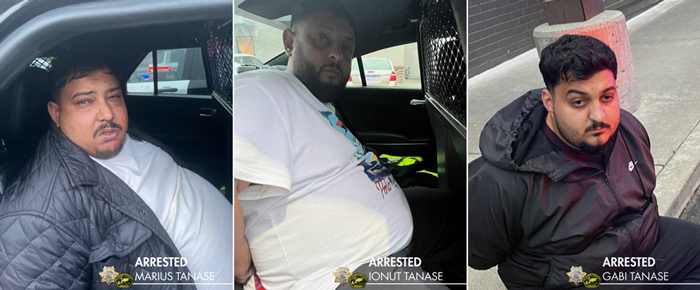
PLACER COUNTY, CA — A scam that flips the usual mechanic-fraud script — instead of a fake mechanic ripping off a customer, fake buyers secretly damaging cars to scare sellers into selling cheap — has been operating across California for months. In early May 2026, the Placer County Sheriff's Office, with assistance from the California Highway Patrol, arrested three suspects believed to be the core of the ring.
The suspects: Gabi Tanase, 23, Ionut Tanase, 34, and Marius Tanase, 28. All three were booked on suspicion of attempted theft by false pretenses, attempted elder fraud, vandalism, and conspiracy. Detectives recovered about $11,000 in cash and a bottle of motor oil during the traffic stop near Red Bluff.
How the "Oil-in-the-Engine" Scam Works
The Tanase scheme exploited the trust dynamic of private-party vehicle sales on Facebook Marketplace and Craigslist. The mechanics of it:
- Contact the seller. Pose as a serious buyer interested in the listed vehicle. Set up a meet at the seller's home or a convenient parking lot.
- Inspect the vehicle. During the inspection, distract the seller — pop the hood, look at the engine, ask the seller questions — while one accomplice secretly pours motor oil into the coolant reservoir or down the tailpipe.
- Take a test drive. The oil burns off as the engine runs. White smoke pours out of the tailpipe. The seller — and any bystanders — see what looks like a catastrophic engine failure happening in real time.
- Lowball with urgency. Tell the seller their car is "blown" and worthless. Offer thousands of dollars below the listing price, framing it as a favor — "I'll still take it off your hands, but obviously not for what you were asking."
- Resell at full value. Drive the car away. The oil burns off entirely within a few minutes of regular driving. The engine is fine. The "buyer" then re-lists the vehicle on a different platform at the original asking price — or higher.
The Placer County Sheriff's Office says the suspects had been running this routine across at least eight California counties — Placer, Sacramento, Napa, El Dorado, Contra Costa, Los Angeles, San Bernardino, and Tehama. At least one Los Angeles County victim was scammed in the days immediately before the suspects were stopped near Red Bluff.
The Arrest
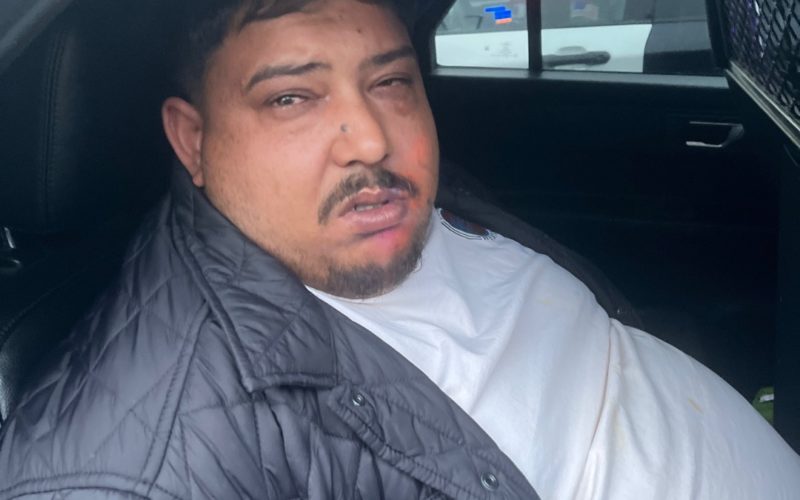
The case broke when a Placer County resident reported an attempted scam. The resident had met with prospective buyers about a vehicle for sale. The "buyers" went through the now-familiar routine — inspection, sudden mechanical "failure," lowball offer — but the seller smelled something wrong, refused to complete the sale, and called law enforcement.
Investigators connected the attempt to previous reports across the state. With the California Highway Patrol's help, deputies tracked and stopped the suspect vehicle near Red Bluff. Inside, they recovered:
- Approximately $11,000 in cash
- A bottle of motor oil believed to have been used in the scam
- Evidence linking the suspects to additional victim contacts
All three suspects were booked into custody on the charges above. Additional victims have been identified in multiple counties since the arrest; detectives are continuing to investigate.
Why This Scam Targeted Sellers, Not Buyers
Most automotive scams Ethical Mechanic covers run in one direction: a shady mechanic or fake business takes money from a customer who needed work done. The Tanase scheme inverts the model — the victim is the seller, and the scammer poses as the buyer.
That inversion matters for a few reasons:
- Sellers don't expect fraud from buyers. A seller is mentally prepared to be lowballed in a negotiation, but not for the buyer to actively damage the car during inspection. The seller is the one feeling time-pressured to close.
- Elderly sellers are disproportionately targeted. A car listing on Marketplace from someone selling Dad's old Camry because Dad can't drive anymore is exactly the seller profile this scheme hunted. The "your engine just exploded" panic moment is calculated to hit the seller before they think to call a real mechanic for a second opinion.
- No paper trail. Private-party sales typically settle in cash or peer-to-peer transfer at the meeting point. By the time the seller realizes the engine was fine all along, the buyer is gone with the car and the money has changed hands.
What Sellers Should Do — Before, During, and After
Before the meeting:
- Take photos and video of the vehicle running normally the day of the meeting. Capture the dashboard, the exhaust, and the engine compartment with a date-stamp visible.
- Bring someone with you to the meeting. Two people are harder to distract than one.
- Meet in a public place during daylight hours. A police-station parking lot, a busy retail lot, or a credit-union drive-through. Many police departments offer specific "safe sale zones" for private-party transactions.
During the inspection:
- Stay with the vehicle the entire time. Do not let the buyer or any accomplice access the engine bay or the exhaust unsupervised.
- Watch their hands, not their face. If a "buyer" is asking you questions while another accomplice is fiddling with something near the car, the questions are the distraction.
- Refuse to test-drive immediately after their inspection. Wait 10 minutes. Run the car yourself first. If oil-tampering happened, the symptoms will already be presenting before the test drive starts.
During the test drive:
- You drive first. Don't let the buyer drive your car until you've verified everything is normal in your own hands. If they refuse to ride with you for the first lap, that is a red flag in itself.
- If smoke appears, immediately drive to a public mechanic and request an on-the-spot diagnostic before agreeing to any price change. Real engine failure does not need to be diagnosed in five minutes by a stranger offering you a bargain.
After:
- If you believe you were targeted, file a report with your local police and your state Attorney General's consumer-protection office. Provide every detail — the names used, phone numbers, vehicle they arrived in, photos of them if possible.
- Tell the platform. Facebook Marketplace and Craigslist both have fraud-reporting flows. Reports build pattern data that helps the next seller.
Sources
- Placer County Sheriff's Office — via Fox 40 Sacramento
- ABC10 Sacramento — "3 arrested in statewide vehicle fraud scheme targeting online car sellers, Placer County deputies say"
- Crime Voice — "3 Arrested for Oil-in-the-engine Scam"
- Hoodline — "Placer County Deputies Nab Three In Statewide Car Scam"
If you sold a vehicle in California between late 2025 and May 2026, and the buyer arrived at the meeting, declared the engine had failed during inspection, and pressured you into accepting a sharply reduced price — that may have been this same crew. Contact the Placer County Sheriff's Office tip line and your state Attorney General's consumer protection office. You can also tell your story to Ethical Mechanic at EthicalMechanic.org — we will forward credible reports to investigators.