
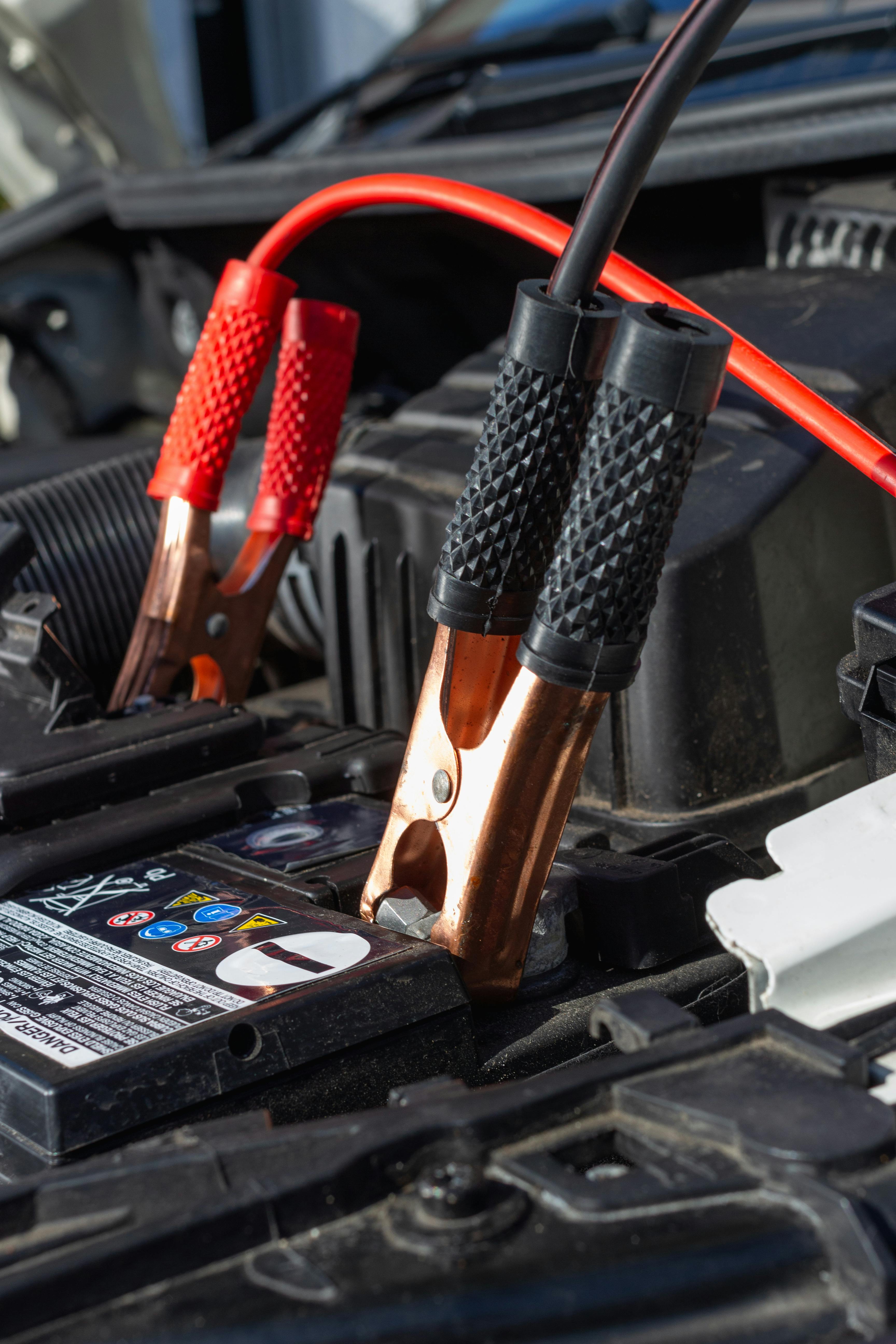
Here's the thing about cold weather and car batteries: the cold doesn't actually kill them. It just reveals which ones were already on their way out.
A battery that was borderline in October becomes a problem in December. Understanding why — and knowing the signs — can save you from a dead car on the coldest morning of the year.
Why Cold Weather Hits Batteries Hard
Car batteries generate power through a chemical reaction. Cold temperatures slow that reaction down significantly. At 32°F, a battery loses about 20% of its capacity. At 0°F, it can lose 50% or more.
At the same time, cold engines need more power to start — thicker oil means more resistance. So you're asking a weakened battery to do more work. That's when you find out what you've got.
Signs Your Battery Is on Its Way Out
Don't wait for a no-start situation. These are earlier warning signs:
- Slow cranking when you start the car — that labored, sluggish turnover sound
- Dim headlights at idle that brighten when you rev the engine
- Electrical accessories acting up — windows, heated seats, or infotainment behaving strangely
- Battery warning light on the dash
- The battery is more than 3-4 years old — that's average lifespan in most climates
Testing: Home vs. Shop
You can buy a basic battery tester for under $20 at any auto parts store. These give you a rough sense of battery health and are worth having.
For a more accurate picture, ask a shop for a load test. This checks how the battery performs under actual starting conditions, not just at rest. Most auto parts stores (AutoZone, O'Reilly, Advance Auto) will do this for free.
"A free battery test takes five minutes and can tell you whether you're about to have a very bad morning."
What Replacement Costs Look Like
Expect to pay:
- Battery itself: $100–$250 depending on type and brand
- Installation at a shop: $20–$50, sometimes included
- Mobile mechanic: often comparable, with the added convenience of coming to you
Watch Out for Unnecessary Replacements
Battery upsells are common. Some shops will tell you a battery needs replacing when it's actually fine — or recommend a premium battery when a standard one would do.
A few things to keep in mind:
- Get the battery tested before you agree to replace it
- Ask to see the test results — a good shop will show you
- Group size matters (matching the right battery to your car), but you don't always need the highest cold-cranking-amp rating they offer
- Check whether your car's battery is still under warranty — many come with 2-3 year warranties
Cold weather car care doesn't have to be complicated. A quick battery check now beats a dead car later. EthicalMechanic.org can help you find a mechanic who'll give you a straight answer about what actually needs replacing.