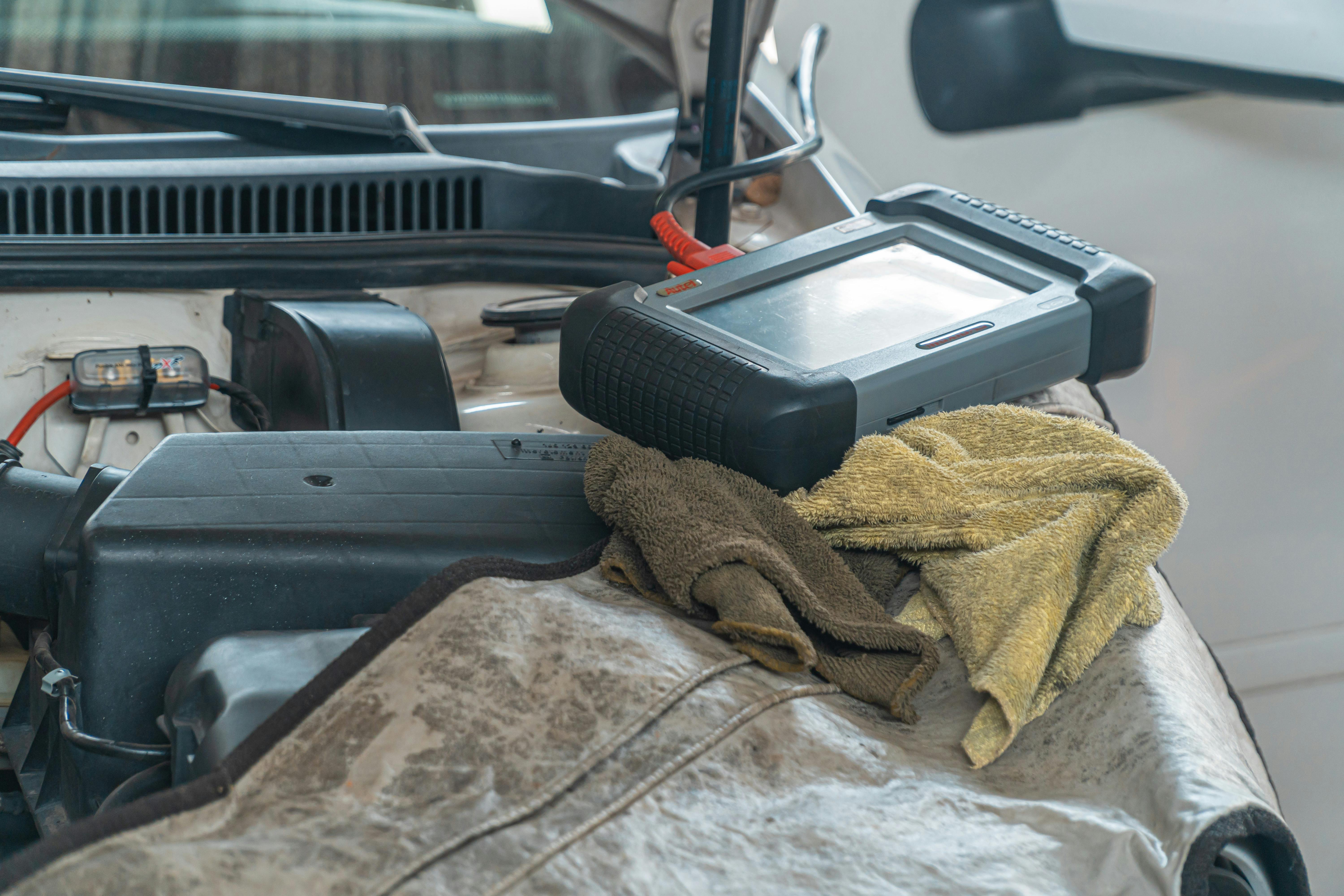
When a shop plugs a scanner into your car and says "the computer is telling us your car needs X," most people assume the computer is giving a specific repair order. It isn't. Understanding what a diagnostic code actually means — and what it doesn't — is one of the most practical things you can do to protect yourself from unnecessary repairs.
What a Diagnostic Code Actually Is
Your car's onboard computer (OBD-II system) monitors hundreds of sensors and logs Diagnostic Trouble Codes (DTCs) when something falls outside expected parameters. A code like P0420 means the catalytic converter efficiency is below threshold. It does not mean your catalytic converter needs replacing.
That code could be caused by:
- A failing oxygen sensor (far cheaper than a cat converter)
- An exhaust leak near the sensors
- A loose gas cap affecting readings
- A software glitch
- Or yes, an actual catalytic converter problem
The code is a starting point for diagnosis. In the hands of an honest mechanic, it directs further testing. In the hands of a dishonest one, it becomes a quote for the most expensive repair on the list.
How the Upsell Works
Here's a pattern that happens regularly: You bring in your car because the check engine light is on. The shop runs a scan — sometimes for free, sometimes for $100–$150. They read you a list of codes and quote repairs for each flagged item, often without doing any additional testing to confirm which parts are actually faulty.
You're handed a bill for $1,800. The actual problem was a $40 sensor.
This isn't always dishonest — sometimes technicians make reasonable assumptions about likely causes. But there's a real difference between "this code commonly indicates X, so we'd like to test further" and "your computer says you need X."
"A code tells you where to look. It doesn't tell you what to replace. Any shop that skips from code to quote is skipping the actual diagnosis."
Getting a Second Diagnostic Opinion
If a shop presents you with a repair estimate based on diagnostic codes, and the total is significant, you have every right to get a second opinion — including a second scan and a second interpretation.
A few things to ask:
- "What additional testing did you do to confirm this component is faulty?" Replacing a part based solely on a code without confirming the root cause is guesswork.
- "Can I see the actual codes?" Any shop should be able to print or show you the raw DTCs.
- "What happens if we replace this and the code comes back?" A good shop will have an honest answer. A bad one will pivot.
- "Is this a safety issue, or can I drive while I get a second opinion?" Not everything with a code is urgent.
DIY Diagnostics
You can buy a basic OBD-II reader for $20–$80 and pull your own codes before you ever set foot in a shop. Apps like Torque (Android) or OBD Fusion pair with Bluetooth adapters and give you the same raw data a shop sees. You won't know exactly what it means, but you'll know what code was logged — and you can research it before a shop interprets it for you.
EthicalMechanic.org helps connect vehicle owners with mechanics who explain what they're finding and why — not just hand you a bill and point at a scanner. The diagnostic code is the beginning of the conversation, not the end of it.