
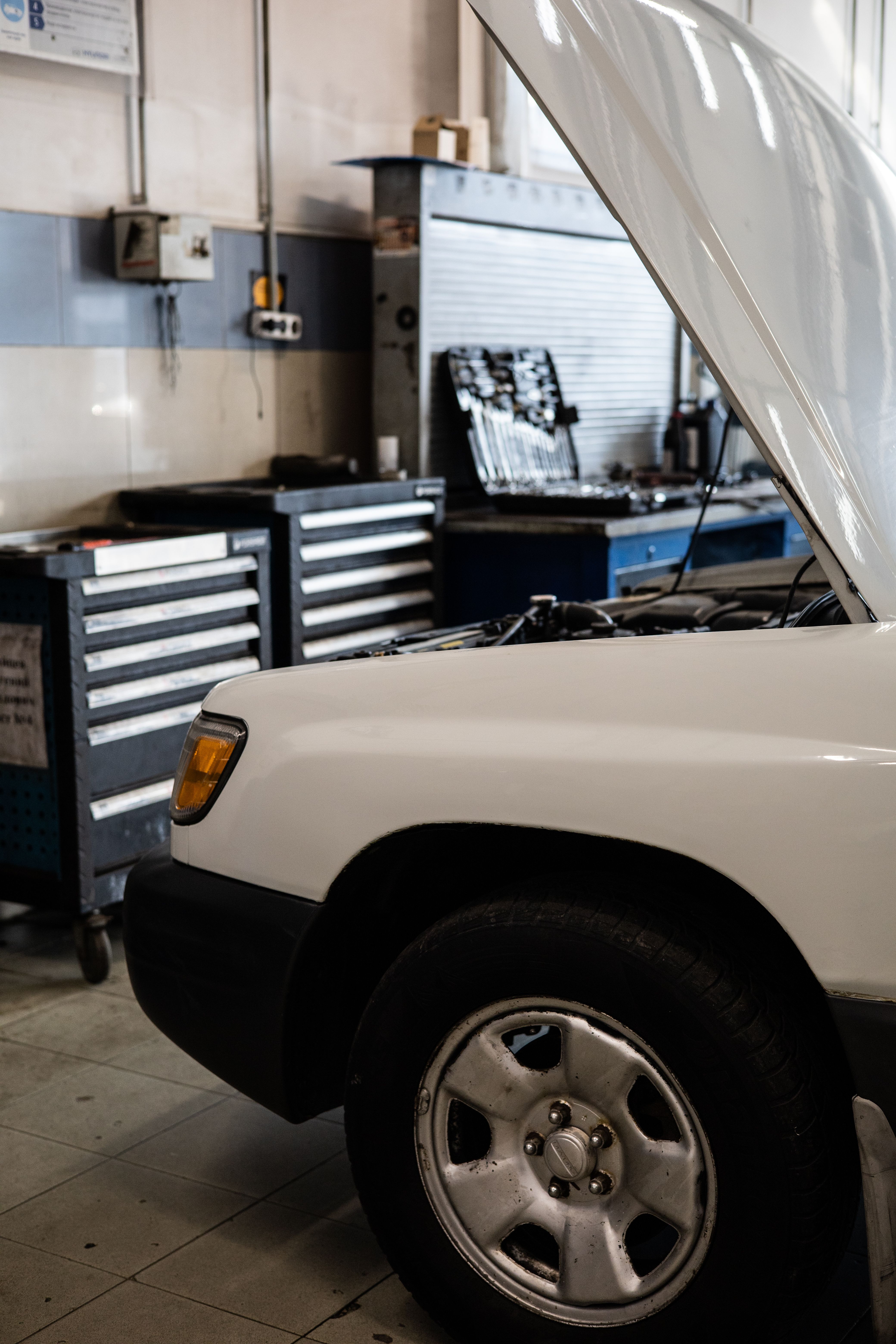
"There's a diagnostic fee before we can tell you anything." You've probably heard this. It's not inherently wrong — diagnosing a modern vehicle correctly takes time, equipment, and skill. But diagnostic fees are also one of the more commonly abused line items in the repair industry, and knowing the difference between fair and padded matters.
What a Real Diagnostic Actually Involves
A proper vehicle diagnostic isn't just plugging in a scan tool and reading a code. Anyone with a $30 Bluetooth OBD-II reader can pull codes. What you're paying a shop for is interpretation and verification.
A legitimate diagnostic process includes:
- Code retrieval and interpretation — Understanding what a code means in the context of your specific vehicle and its service history
- Symptom-based testing — Reproducing the problem, not just reading stored codes that may be stale or secondary
- Component-level testing — Checking sensors, circuits, pressure readings, or mechanical conditions that confirm the root cause
- Research — Checking manufacturer technical service bulletins (TSBs) that may identify known issues on your vehicle
- A documented explanation — A written statement of what was found, what it means, and what repairs address it
That process can legitimately take an hour or more on a complex problem. An hour of a skilled technician's time at current labor rates — $120 to $180 per hour at most independent shops, higher at dealers — means a diagnostic fee in the $100–$175 range is realistic.
"A diagnostic fee is fair when it buys you a real answer. It's being abused when it buys you a guess with a code number attached."
When Diagnostic Fees Cross the Line
There's a range between legitimate and padded, and some patterns to watch for:
- Charging a diagnostic fee for an obvious, visible problem. If you drove in with smoke coming from a specific location and a burned smell, "diagnostic" is twenty seconds of looking, not a billable hour.
- Quoting a diagnosis but not applying it to the repair. Many shops apply the diagnostic fee toward the repair cost if you proceed with them. If a shop is unwilling to do this when you ask, that's worth knowing upfront.
- Using the diagnostic fee as a sunk-cost tool. Some shops quote a low estimate, then add a "diagnostic" fee after the fact when the real repair turns out to be simpler. This is different from discovering additional problems — it's billing for work that should have been included in the original assessment.
- Refusing to explain what the diagnostic found. If a shop says "the computer found a problem" and won't tell you what, you've paid for nothing useful.
What to Ask Before Agreeing to a Diagnostic
Before you drop your car off, ask these directly:
- What is the diagnostic fee and what does it include?
- Will you apply it toward the repair if I proceed with you?
- Will I receive a written explanation of what was found?
- What's your process for diagnosing this specific symptom?
A shop that handles these questions confidently is operating normally. A shop that gets evasive or defensive about any of them has told you something important.
Mobile mechanics who handle diagnostics work a little differently — they often charge a trip fee that covers both the call and a basic diagnostic. Ask what's included, and get it in writing.
EthicalMechanic.org helps you find shops and mobile mechanics who are upfront about how they charge and what you get for it. Diagnostic fees are fine. Diagnostic fees as a mystery charge for a mystery process are not.