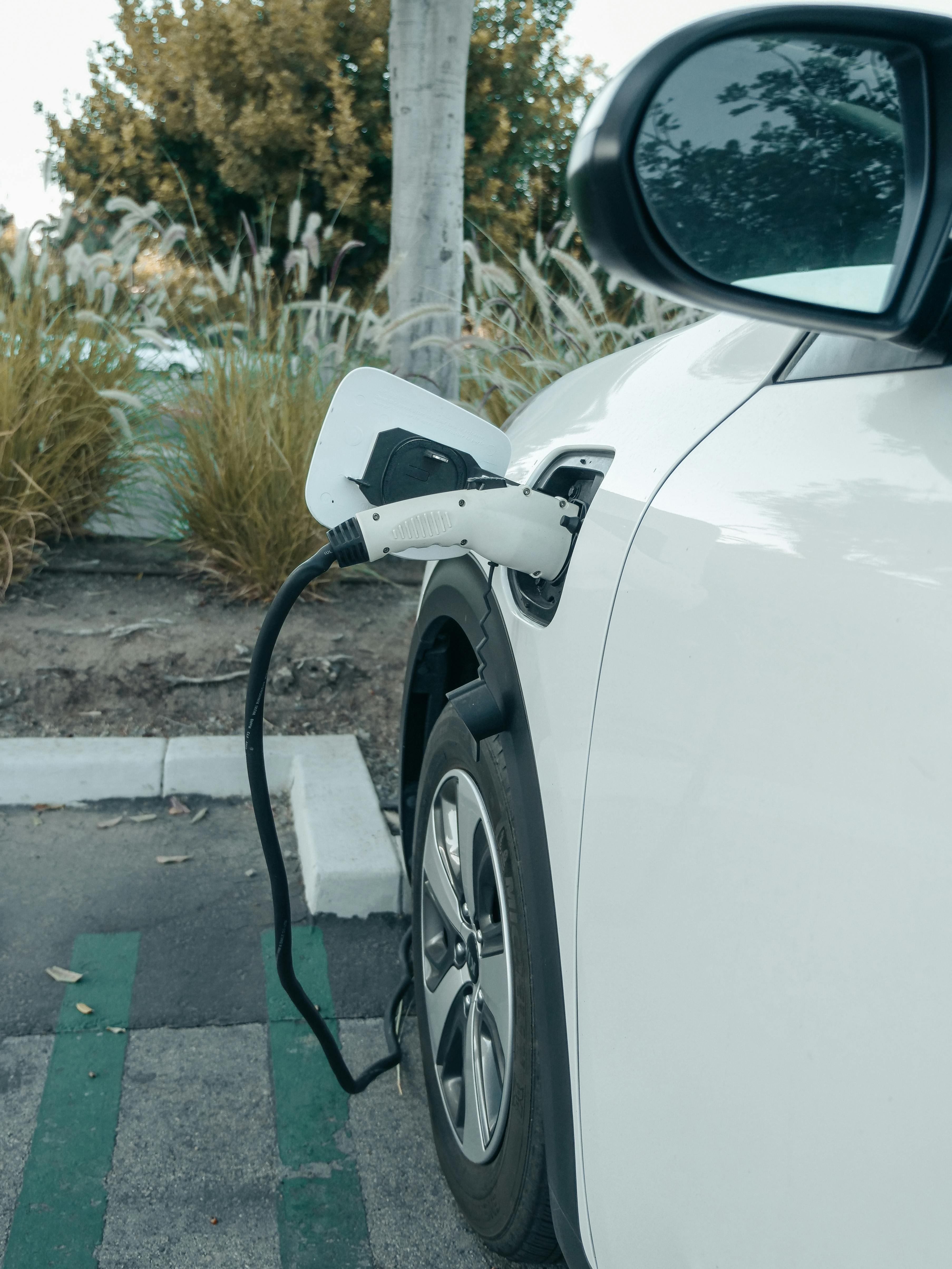
National Drive Electric Week runs from September 27 through October 6 this year, with events across the country promoting the switch to electric vehicles. The enthusiasm is real, and so is the growth — EVs now make up a meaningful slice of new car sales. But there's a conversation happening alongside the celebration that EV owners and prospective buyers need to hear.
Getting your EV repaired is not like getting your gas car repaired. The shop landscape, the cost structures, and the consumer protections (or lack of them) are all different. Here's what you actually need to know.
Fewer Shops Can Work on Your Car
This is the most immediate practical reality. The vast majority of independent auto repair shops — the ones that have kept repair costs competitive for decades — cannot service electric vehicles yet.
The gaps are significant:
- High-voltage battery work requires specialized training and safety equipment that most shops don't have
- EV diagnostic software is largely proprietary and controlled by manufacturers
- Brake and suspension work on EVs is often accessible to independents, but powertrain and battery issues usually aren't
- Many EVs require over-the-air software updates to complete even basic repairs
The result is that most EV owners are funneled back to the dealer for anything beyond basic maintenance. That reduces competition, which tends to increase costs.
Battery Replacement Is Expensive — and Often Opaque
The battery is the single most expensive component in an electric vehicle. Replacement costs vary widely depending on the make and model, but you're looking at anywhere from $5,000 to over $20,000 for a full battery pack. Some manufacturers have improved warranty coverage, but degradation short of outright failure may not be covered.
What makes this harder:
- Battery health reporting varies by manufacturer — some give you detailed state-of-health data, others give you almost nothing
- Partial module replacement is possible on some vehicles but not all, and not all shops are equipped to do it
- Salvage and refurbished batteries are becoming more available but carry their own verification challenges
Before you buy a used EV, get the battery health data. Before you buy a new one, understand what the warranty covers and for how long.
Right to Repair Is a Real Issue for EV Owners
The right-to-repair movement — which advocates for independent shops and consumers to have access to repair data and parts — has significant implications for EV owners specifically. When repair data is locked behind manufacturer systems, you lose leverage. You can't get competing repair quotes if only one party has the ability to diagnose your car.
"Locking EV repair data behind proprietary systems doesn't protect consumers — it protects manufacturer service revenue at the consumer's expense."
Several states have moved on right-to-repair legislation for traditional vehicles, but EVs remain largely outside those protections. That's a policy gap worth paying attention to.
What EV Owners Can Do Right Now
You're not without options. A few things that help:
- Find a certified EV-capable independent shop in your area before you need one — don't wait for an emergency
- Document your battery health at regular intervals using your vehicle's app or a third-party tool
- Understand your warranty terms thoroughly — know what triggers coverage and what doesn't
- Research manufacturer service policies before you buy, especially on battery coverage
- Check EthicalMechanic.org for EV-capable shops in your area and guidance on what to ask before you authorize any repair
Drive Electric Week is worth celebrating. Just go in with clear eyes about what comes after the purchase.