
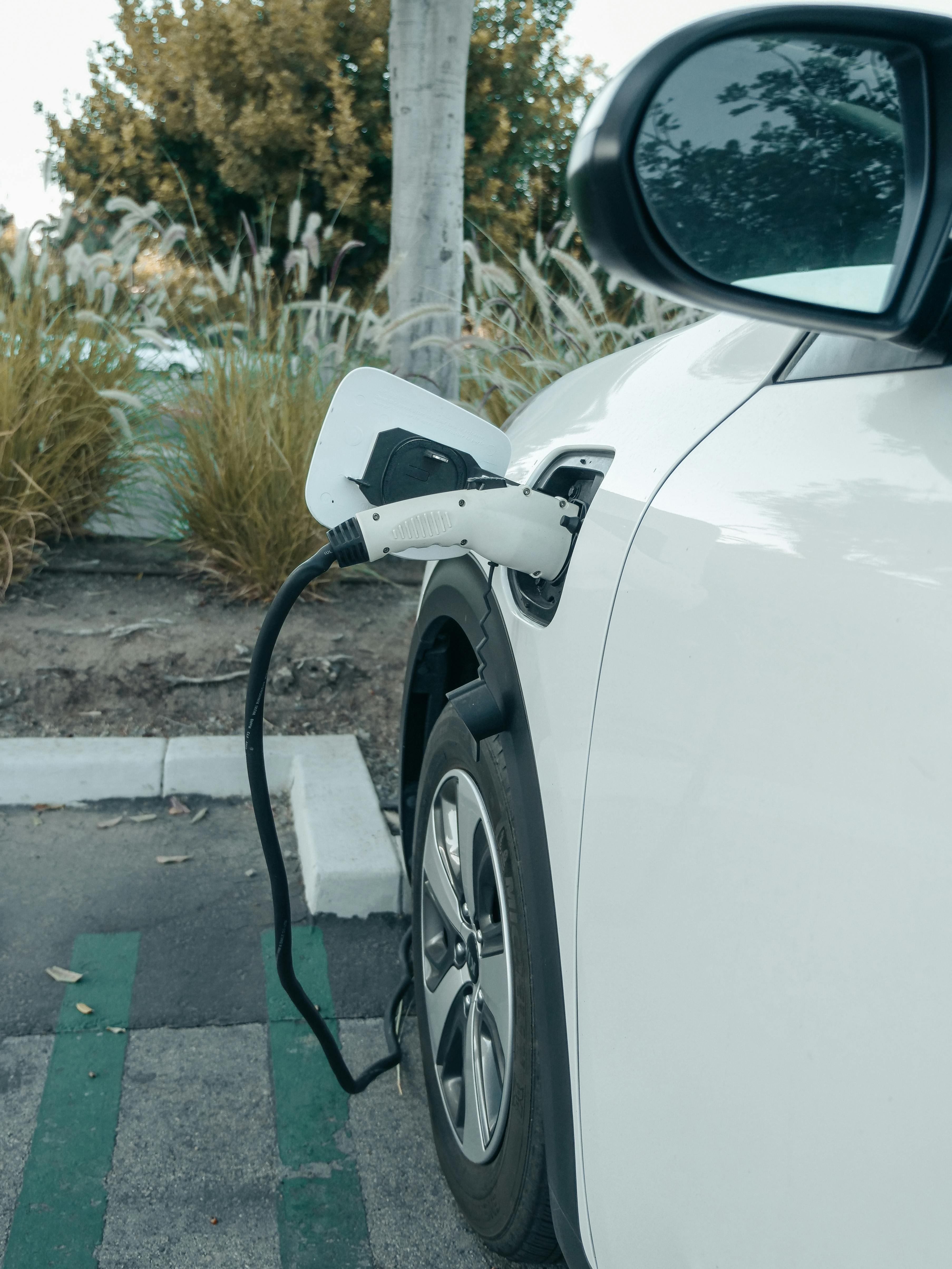
When someone finds out how much an EV battery replacement costs, they often swear off electric vehicles entirely. The numbers can be alarming: $5,000 on the low end, $20,000 or more for larger battery packs in trucks and luxury vehicles.
The fear is understandable. But it's also partly based on a misunderstanding of how EV batteries actually degrade — and what the warranty situation looks like.
When Batteries Actually Need Replacement
EV batteries don't fail the way a gas car's alternator fails — suddenly, without warning, leaving you stranded. They degrade gradually over time. You lose a few miles of range per year. Most drivers won't notice significant degradation for eight to ten years under normal use.
The cases where battery replacement becomes urgent sooner than that usually involve:
- Extreme climate exposure over long periods (very hot or very cold climates with no mitigation)
- Consistently charging to 100% and discharging to near 0%
- Vehicles with early battery chemistry that hasn't held up as well
"Battery replacement anxiety is real, but actual battery failures are still relatively rare in vehicles under 150,000 miles. The bigger risk is buying a used EV without checking the battery's health first."
What Warranty Coverage Looks Like
Federal law requires EV manufacturers to warrant the battery for a minimum of 8 years or 100,000 miles — whichever comes first. Most manufacturers cover degradation below a certain threshold (typically 70% of original capacity) within that window.
That's meaningful protection. It means if your battery degrades significantly in the first eight years, the manufacturer has to address it.
What the warranty typically doesn't cover: damage from accidents, flooding, or improper charging. Read your specific warranty terms.
Aftermarket and Refurbished Options
The battery replacement market is evolving. You're no longer limited to a new OEM battery at full price:
- Refurbished battery packs — reconditioned with tested cells, often 30–50% cheaper than new
- Third-party replacement cells — some independent shops now replace individual modules rather than the entire pack
- Battery leasing programs — a few manufacturers in Europe offer this; it's limited in the U.S. but worth watching
The right-to-repair movement is pushing for better access to battery diagnostic data and repair options for independent shops, which should increase competition and lower prices over time.
How to Extend Battery Life
Most of what damages EV batteries is avoidable:
- Charge to 80% for daily use — reserve 100% for long trips
- Don't let it drop below 10–15% regularly
- Avoid DC fast charging as your only charging method — level 2 home charging is gentler on the battery
- Park in shade or a garage in extreme heat
Small habits compounded over years make a measurable difference.
If You're Buying a Used EV
This is where battery cost matters most. Before purchasing any used EV:
- Request a battery health report — most EVs can generate one through the onboard system or a dealer scan
- Look for state of health (SoH) above 80% as a minimum threshold
- Check if the remaining warranty transfers to you
- Budget conservatively — if the battery is already at 75%, factor replacement into your offer price
EthicalMechanic.org can connect you with mechanics who can run a proper battery diagnostic before you commit to a used EV purchase. It's one of the most valuable pre-purchase inspections you can get — and most buyers skip it entirely.