
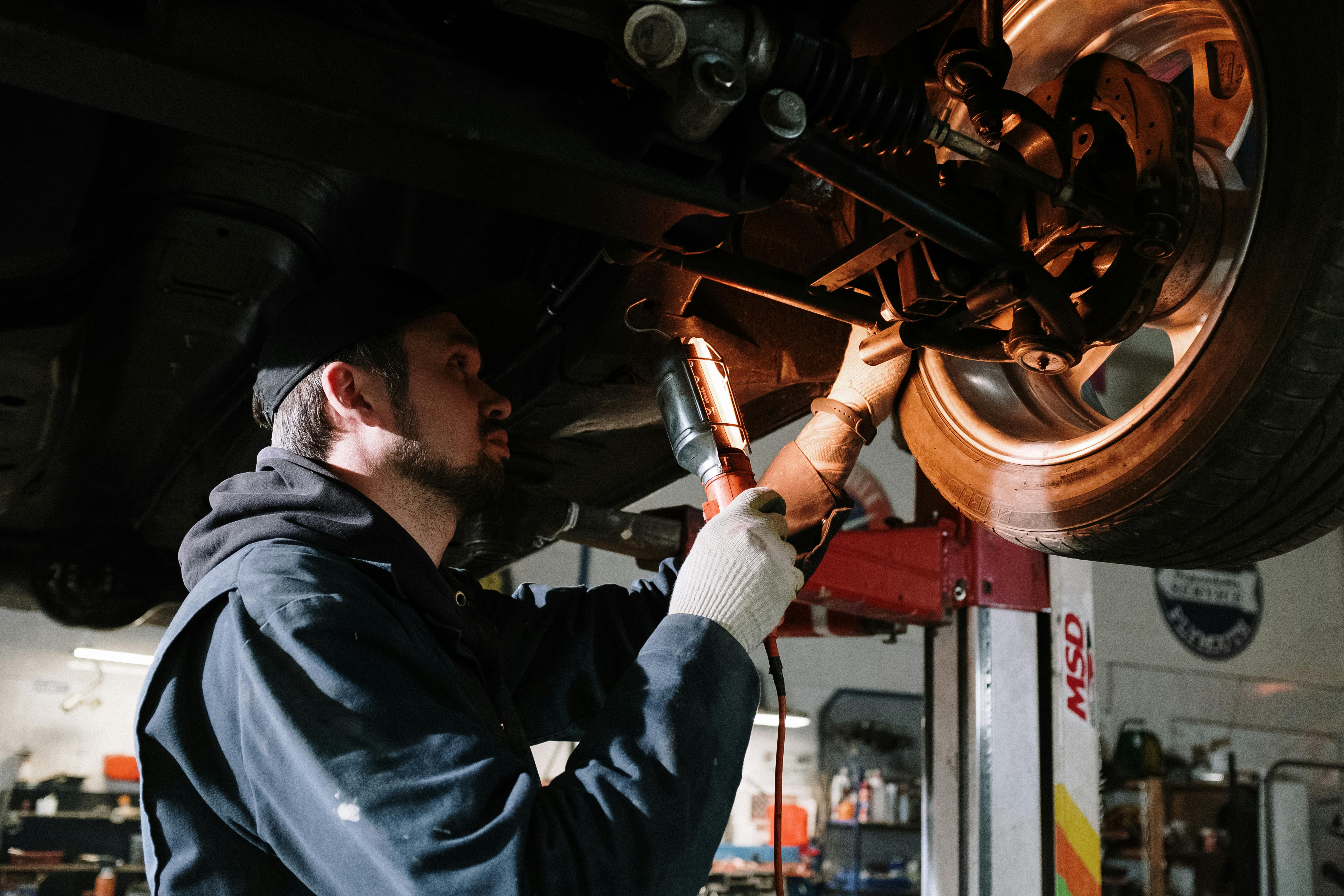
If you have noticed longer waits at your shop or labor costs that seem higher than they used to be, you are not imagining things. The auto repair industry is short somewhere around 40,000 technicians right now — and that number is expected to grow.
Here is what is driving it, and what it means for your wallet.
The Workforce Is Aging Out
The average age of a working auto technician is climbing. A large portion of the current workforce entered the trade in the 1980s and 1990s, and they are retiring. The pipeline of replacements has not kept pace.
Trade school enrollment in automotive programs has dropped significantly over the past two decades. Part of that is cultural — college became the default path for most students, and shop classes were quietly cut from high schools across the country. Part of it is economic — early-career technicians often earn less than they expected given the skill level required.
The Job Got Harder Without Getting More Attractive
Modern vehicles are genuinely complex. A technician today needs to understand:
- Advanced driver-assistance systems (ADAS)
- Hybrid and electric drivetrains
- Over-the-air software updates and telematics
- CAN bus networks and module programming
That level of specialization requires ongoing training that many shops struggle to fund. And the pay structure at most shops — flat-rate, meaning you only earn when you are turning wrenches — punishes technicians for time spent learning.
Fewer people want to take on the physical demands of the job, the cost of tools (which technicians typically buy themselves), and the uncertainty of flat-rate pay when alternative trades offer comparable or better earnings with less equipment overhead.
What This Means for You
When supply shrinks and demand holds steady, prices go up. Labor rates at many shops have increased 20–30% over the past few years, and appointment backlogs are stretching to weeks at busy shops.
"A shop that used to get you in next Tuesday is now booking three weeks out. That is not the shop's fault — there is just nobody to do the work."
Longer wait times also create pressure on consumers to defer maintenance. Deferred maintenance leads to bigger, more expensive problems down the road.
What You Can Do
- Build a relationship with a shop before you need one urgently. Emergency appointments go to known customers first.
- Do not wait for a warning light. Follow your maintenance schedule so you can book non-urgent work ahead of time.
- Consider mobile mechanics for routine work. For jobs that do not require a lift, a vetted mobile technician can often get to you faster than a brick-and-mortar shop.
EthicalMechanic.org can help you find shops and mobile mechanics with real reviews and verified credentials — so when you do find someone good, you know they are actually good.
The shortage is not going away quickly. Your best defense is having a trusted technician lined up before something breaks.