Every April, the Car Care Council, AAA, NAPA, and ASE-certified shops across the country promote National Car Care Month. The message is legitimate: regular maintenance keeps your vehicle reliable and prevents expensive emergency repairs.
The part they don't always tell you is which maintenance is actually worth doing — and which services are primarily revenue opportunities for shops that know how to present them convincingly.
What Real Preventive Maintenance Looks Like
Real preventive maintenance is based on your vehicle's actual service intervals, not on what a shop thinks sounds reasonable or what a quick-lube upsell menu suggests.
Your owner's manual has the authoritative schedule. It's specific to your engine, transmission, and operating conditions. Everything a legitimate shop recommends should be traceable back to that schedule or to a documented observed condition.
Core preventive maintenance that genuinely matters:
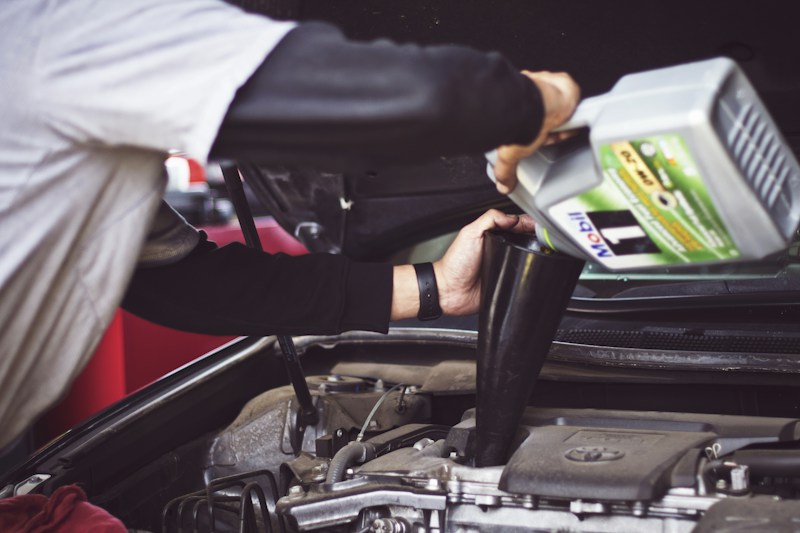
- Oil and filter changes on the schedule your manual specifies (not what the sticker in your window says — look at the manual)
- Cabin and engine air filter replacement when they're visually dirty or at the manufacturer's interval
- Tire rotation every 5,000-7,500 miles to ensure even wear
- Brake inspection annually or whenever you notice changes in pedal feel or stopping distance
- Coolant flush per manufacturer interval — typically every 30,000-50,000 miles depending on fluid type
- Spark plug replacement per the manual — modern iridium plugs often go 100,000 miles
- Transmission fluid change if your manual specifies it — some sealed transmissions genuinely don't require it within normal ownership timelines
Services Shops Push That You Can Usually Decline
This is where National Car Care Month can work against you if you're not paying attention. Shops use the seasonal awareness campaign to promote services that sound responsible but often aren't necessary.
Throttle body cleaning — Unless your engine is actually exhibiting idle problems or rough running, this is a frequently oversold service. Modern fuel-injected engines with proper air filtration rarely need throttle body cleaning on a schedule.
Fuel system treatment or induction service — A $150-$200 service that involves adding cleaner to your fuel or spraying cleaner into your intake. For most vehicles running quality gasoline on a regular schedule, this is unnecessary. If you're having actual fuel delivery issues, diagnose the cause first.
Transmission flush on newer vehicles — If your vehicle is under 60,000 miles and you've been maintaining it properly, an "urgent" transmission flush recommendation is worth questioning. Check your manual. Some manufacturers specify no fluid change under normal conditions.
Power steering fluid flush — If your vehicle has electric power steering (most vehicles built after 2015), it doesn't have power steering fluid. Shops occasionally quote this service anyway.
Coolant flush at every oil change — Unless you're at the interval specified in your manual or the shop observed a specific problem with the coolant (color, pH, rust contamination), this is being done too frequently.
The Real Cost of Skipping Actual Maintenance
Here's the other side of it: the services you skip that you actually needed. Deferred maintenance has real consequences — worn brake pads that score rotors and double the repair cost, delayed timing belt replacement that causes engine failure, ignored coolant issues that cause overheating and head gasket damage.
The goal isn't to refuse all maintenance recommendations. It's to know which ones are grounded in your vehicle's actual needs versus which ones are presented with urgency to generate a shop ticket.
A Simple Approach
Before your April service visit:
- Pull out your owner's manual and look up the current service interval for your mileage
- Write down what's actually due based on the manufacturer's schedule
- When the shop presents additional recommendations, ask: "Is this in my manufacturer's service schedule, or is this based on something you observed on my vehicle?"
- Ask to see documentation for anything observation-based — what specifically did they see?
Legitimate shops will answer these questions clearly. Shops that pressure you and can't point to a specific finding or a manufacturer specification are the ones to be cautious about.
National Car Care Month is a good reminder to take maintenance seriously. Just take the upsells with appropriate skepticism.
For a checklist of what to ask before authorizing any repair, visit /avoiding-scams/.