National Tire Safety Week — organized by the U.S. Tire Manufacturers Association and running June 24 through July 3 — exists because tires are the single most neglected safety component on most vehicles. They're also one of the most common targets for unnecessary upsells and outright scams.
Here's what you should actually know.
Tire Pressure: Check It Monthly
Most drivers check their tire pressure when the dashboard light comes on. That's already too late — the TPMS light typically triggers at 25% below recommended pressure, which is significantly underinflated.
- Check pressure monthly and before any long trip
- Use the number on the door jamb sticker, not the number on the tire sidewall — the sidewall lists maximum pressure, not recommended operating pressure
- Check when tires are cold — pressure readings rise as tires heat up from driving
- Don't forget the spare — a flat spare is worthless when you need it
Underinflation reduces fuel economy, accelerates tread wear, and increases the risk of a blowout. It's also completely free to fix.
The Penny Test for Tread Depth
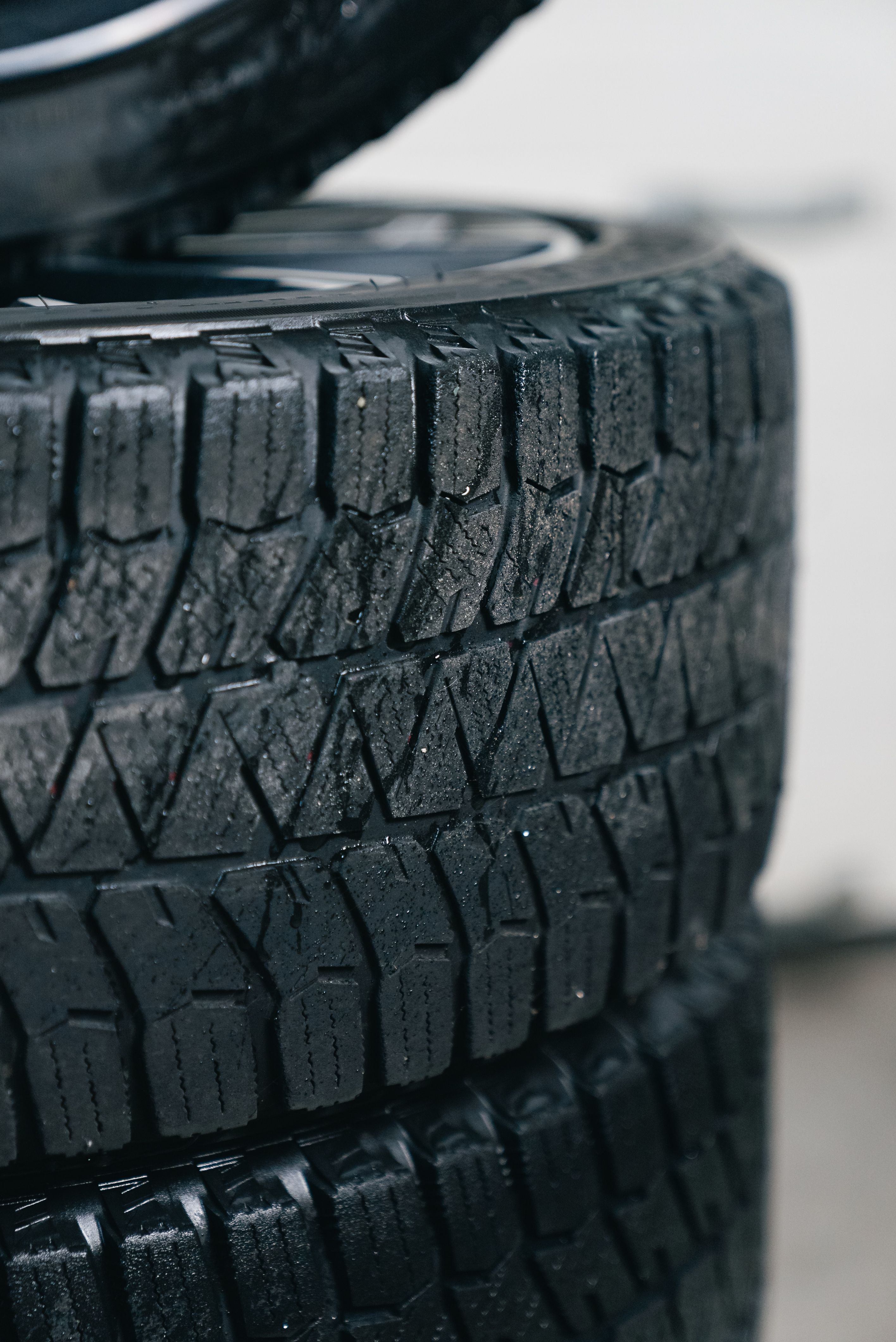
Take a penny and insert it into a tread groove with Lincoln's head pointing down into the tire. If you can see the top of Lincoln's head, your tread is at or below 2/32" — legally worn out in most states and genuinely unsafe.
For better safety margins, use a quarter: if you can see the top of Washington's head, you're below 4/32" and should start planning for replacement soon.
"The penny test takes ten seconds and tells you whether you're driving on tires that can actually stop your car in the rain. Most people haven't done it in years."
Rotation Schedule
Tires wear unevenly based on their position on the vehicle. Front tires carry the engine weight and do the steering, so they wear faster on front-wheel-drive cars. Rotation equalizes that wear and extends tire life significantly.
- Every 5,000–7,500 miles is the standard recommendation (often aligned with oil changes)
- Check your owner's manual for manufacturer guidance
- Skipping rotation doesn't save money — it shortens the life of all four tires
Spare Tire: The One Everyone Ignores
Check it now. Seriously. A spare tire that hasn't been touched in years likely has low pressure, and full-size spares can develop dry rot just from sitting unused. A compact spare (the small "donut") is only meant for short distances at low speed — it's not a replacement tire.
When to Actually Replace Tires
Tires need replacement when:
- Tread depth reaches 2/32" (or 4/32" for better safety margins)
- Age exceeds 6–10 years regardless of tread depth — rubber degrades even if a tire looks fine
- You see sidewall bulges, cracking, or bubbles — these are failure waiting to happen
- The tire has been driven flat, even briefly
Tire Scams to Watch For
This is where it's worth being careful. Tires are a high-margin item and a common source of unnecessary upsells:
- "You need four new tires" when you don't — have a second shop check tread depth with a gauge, not a visual glance
- Unnecessary nitrogen fill-up charges — nitrogen in tires is marginally beneficial; paying $50+ for it on a routine service is not
- Balancing and alignment sold together without diagnosis — alignment and balance are different services; don't pay for both if only one was actually needed
- Cheap tires installed without disclosure — ask for brand, model, and load/speed rating before authorizing new tire installation
EthicalMechanic.org can help you find a shop that treats tire recommendations as safety guidance, not sales targets. Your tires are the only part of your car that actually touches the road. They deserve more than a once-a-year glance.