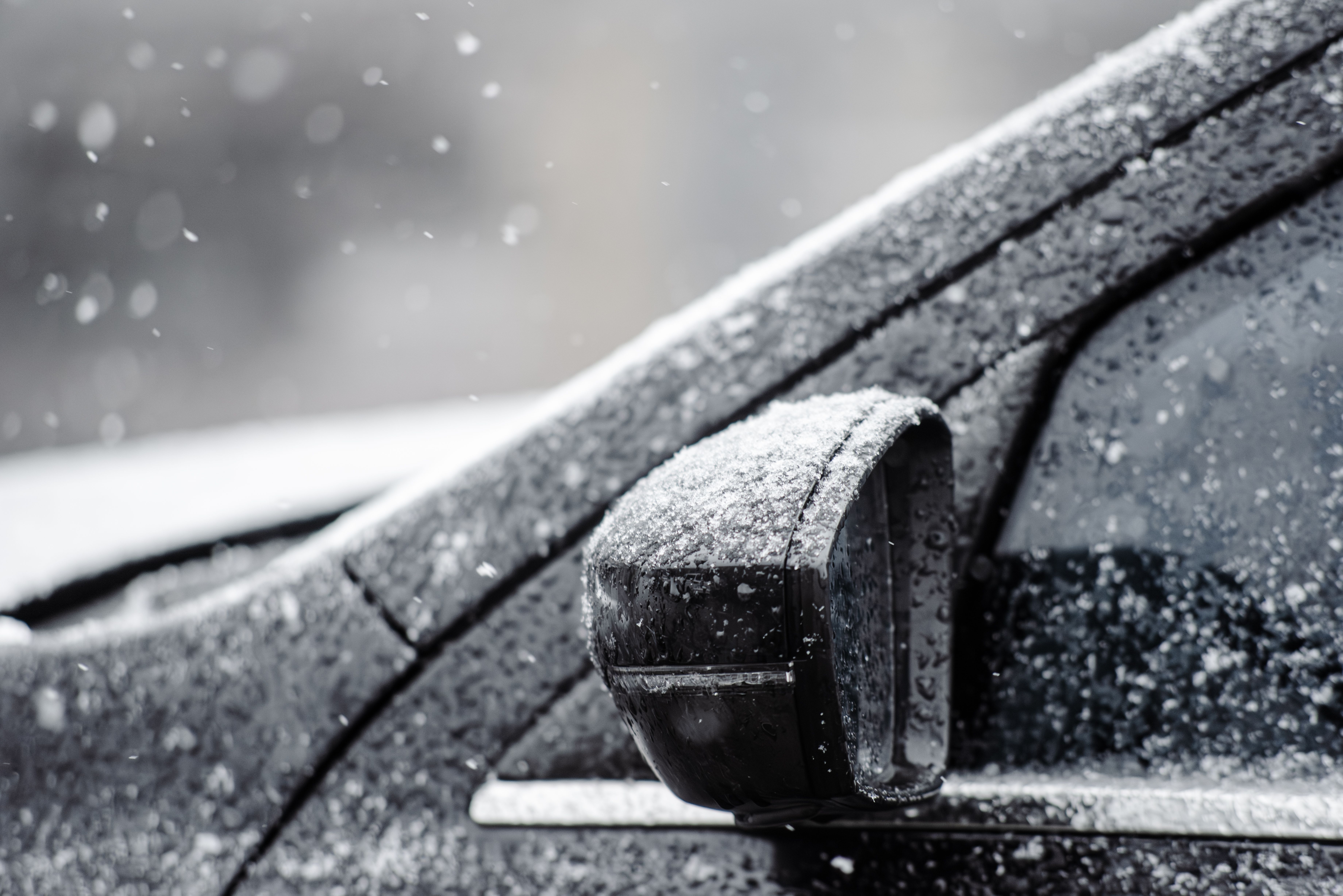
Winter is hard on vehicles in ways that are not always obvious until months later. Salt, cold, potholes, and short trips with cold starts add up. This checklist covers what to inspect — or have inspected — once the cold season is behind you.
You do not need to be a mechanic to use this list. Some items you can check yourself in your driveway. Others need a shop. The goal is to know what to ask about.
Undercarriage and Corrosion
Road salt is the single biggest source of winter vehicle damage in northern climates. It accelerates corrosion on:
- Brake lines and fuel lines — look for rust, especially at connection points
- Exhaust system — rust-through on mufflers and pipes is common after a wet winter
- Subframe and suspension components — corrosion here can become a safety issue
- Wheel wells — salt builds up and holds moisture against metal
If you live somewhere that salts roads, get under the car or have a shop take a look. Catching brake line corrosion early is inexpensive. Ignoring it is not.
Battery
Cold weather kills batteries. Even one that made it through winter may be on borrowed time.
Have your battery load-tested — not just voltage-checked. A battery can show 12.6 volts sitting still and fail under load. Most auto parts stores will load-test for free. If the battery is more than three or four years old and struggling, replace it before summer heat finishes it off.
Brakes
"Winter driving is hard on brakes. Wet rotors, salt exposure, and repeated temperature changes accelerate wear faster than summer driving."
Check pad thickness if you can see through your wheels. Listen for squealing or grinding. If your brake pedal feels different than it did in fall, get it looked at. Winter is also when brake rotors tend to develop surface corrosion — some of it is cosmetic, but deep pitting needs attention.
Tires
Four things to check on tires after winter:
- Pressure. For every 10-degree rise in temperature, tire pressure goes up about 1 PSI. Check pressure against the door jamb sticker, not the tire sidewall.
- Tread depth. Use a quarter — if you can see the top of Washington's head, you are at or below 4/32" and should start shopping.
- Uneven wear. Cupping, scalloping, or wear on one edge points to alignment or suspension issues, often from pothole damage.
- Sidewall damage. Check for bulges or cuts from hard pothole impacts.
Alignment and Suspension
If your steering wheel is not centered or the car pulls to one side, you likely took pothole damage over winter. Alignment is a straightforward fix that saves your tires from premature wear.
Have a shop check shocks and struts too — especially if you noticed more bounce or body roll than usual.
Fluids
- Coolant: Check concentration and condition. Post-winter is also a good time to confirm there is no oil contamination in the coolant (milky color is a warning sign).
- Brake fluid: Absorbs moisture over time. If it has been more than two years, consider a flush.
- Windshield washer fluid: Swap out any remaining winter formula with a standard mix.
- Engine oil: If you are due for a change, spring is the right time.
Air Conditioning
You will want it working before July. Turn it on now, while it is still cool. If it is blowing warm or barely cool, get it serviced before summer demand spikes and shops back up.
EthicalMechanic.org can help you find a qualified shop or mobile mechanic for any of the items on this list. A post-winter inspection is one of the best investments you can make in your vehicle — it keeps small problems from becoming big ones before summer driving season starts.