Automakers and third-party apps are increasingly pushing predictive maintenance — software that monitors your vehicle's systems and tells you what's going to fail before it does. In theory, this is great for consumers. In practice, it depends entirely on who's reading the data and what they're trying to sell you.
How Predictive Maintenance Actually Works
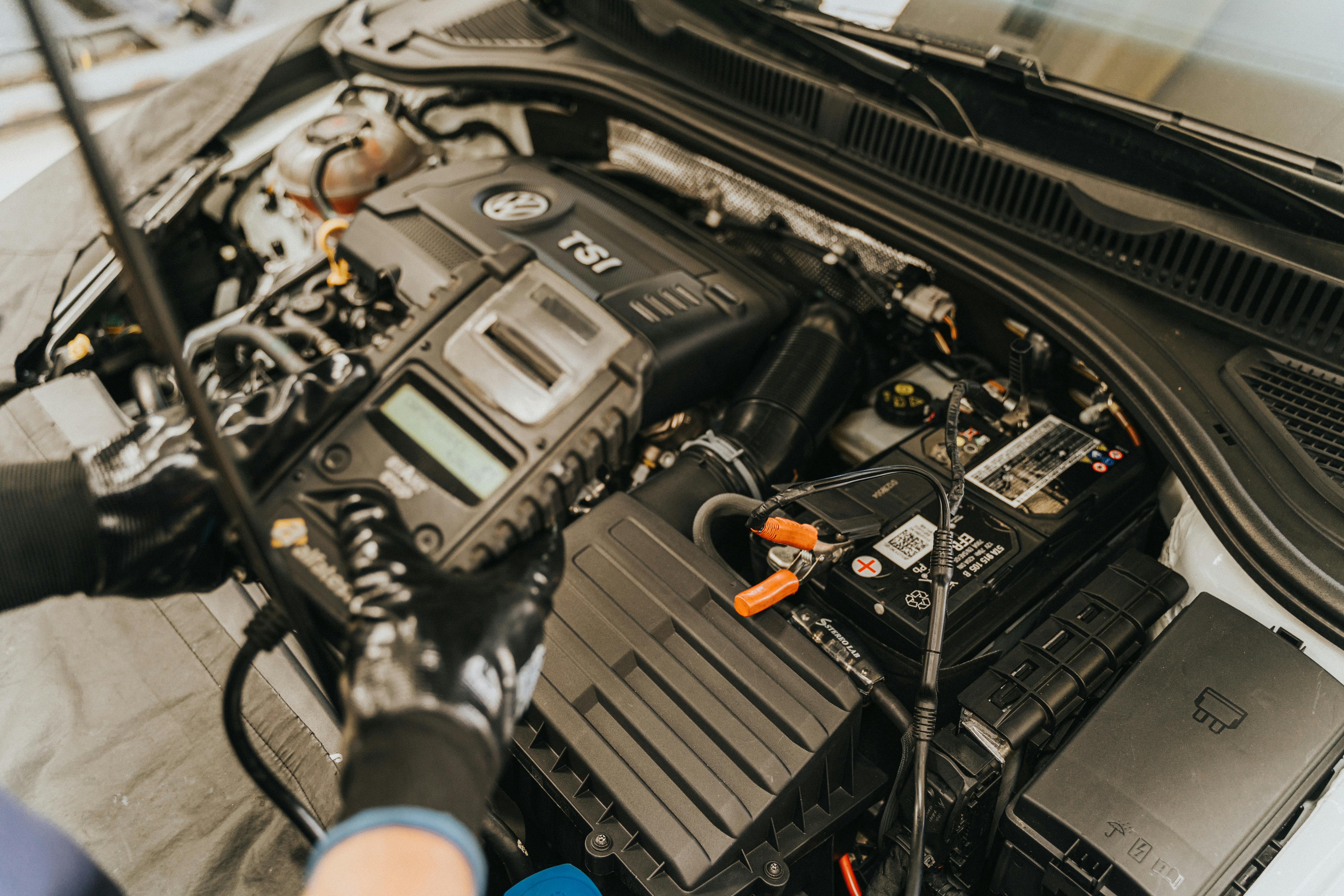
Modern vehicles are rolling data centers. Sensors monitor everything from brake pad thickness to battery charge cycles to engine timing. Predictive maintenance systems pull this data and run it against failure models to flag components that are degrading — before they fail completely.
Done right, this means:
- You're warned about a failing water pump before it strands you
- You can schedule repairs at a time that's convenient, not urgent
- You avoid emergency repairs, which are almost always more expensive
- You have documentation of what actually needs attention
Some systems are built into the car itself. Others live in apps that plug into your OBD-II port. A few automakers are now sharing this data directly with dealerships.
That last part is worth paying attention to.
The Risk: Using Your Data Against You
When your dealership or shop receives a predictive alert, they have two ways to respond. They can contact you honestly — "Your brake pads are at 20%, let's plan a replacement soon." Or they can call with manufactured urgency — "Your system is showing a critical alert, you need to come in immediately."
Predictive data is probabilistic. It says a part is trending toward failure — not that it has failed or will fail tomorrow. A dishonest shop can weaponize that ambiguity.
"The same technology that can save you money becomes a upsell machine when the person reading the data has an incentive to sell you repairs."
This is especially relevant for mobile mechanics, who may use OBD readers during a visit and present whatever the scanner shows as a list of urgent needs — without explaining what's actually critical versus what can wait.
How to Stay in Control
If you're using a predictive maintenance system — or a shop tells you their diagnostics flagged something — here's how to stay grounded:
- Ask what the actual reading is, not just the alert. "Your battery is at 74% health" tells you more than "your battery is failing."
- Look up the manufacturer's service intervals for the flagged component. Does the alert match the timeline?
- Get a second opinion before approving any repair flagged as urgent by a shop you don't fully trust.
- Use your own OBD-II reader. They run $20–$80 and give you access to the same codes shops see.
- Research the repair. If a shop says a part is at end-of-life, check owner forums for your make and model.
The Bottom Line
Predictive maintenance is a genuinely useful tool for consumers — if you're the one benefiting from the information. EthicalMechanic.org helps you find shops and mobile mechanics who use data to help you, not to pad invoices. The technology is only as trustworthy as the person interpreting it.
Know your car. Ask for specifics. And be skeptical of any shop that treats a predictive alert as an emergency they happen to be able to fix right now.