Most advice about avoiding bad mechanics focuses on the bill — what to watch for after the work is done. But there are signals worth paying attention to before you ever leave your car. In the first five minutes at a shop, you can pick up a lot.
Here's what to notice.
The Shop Itself
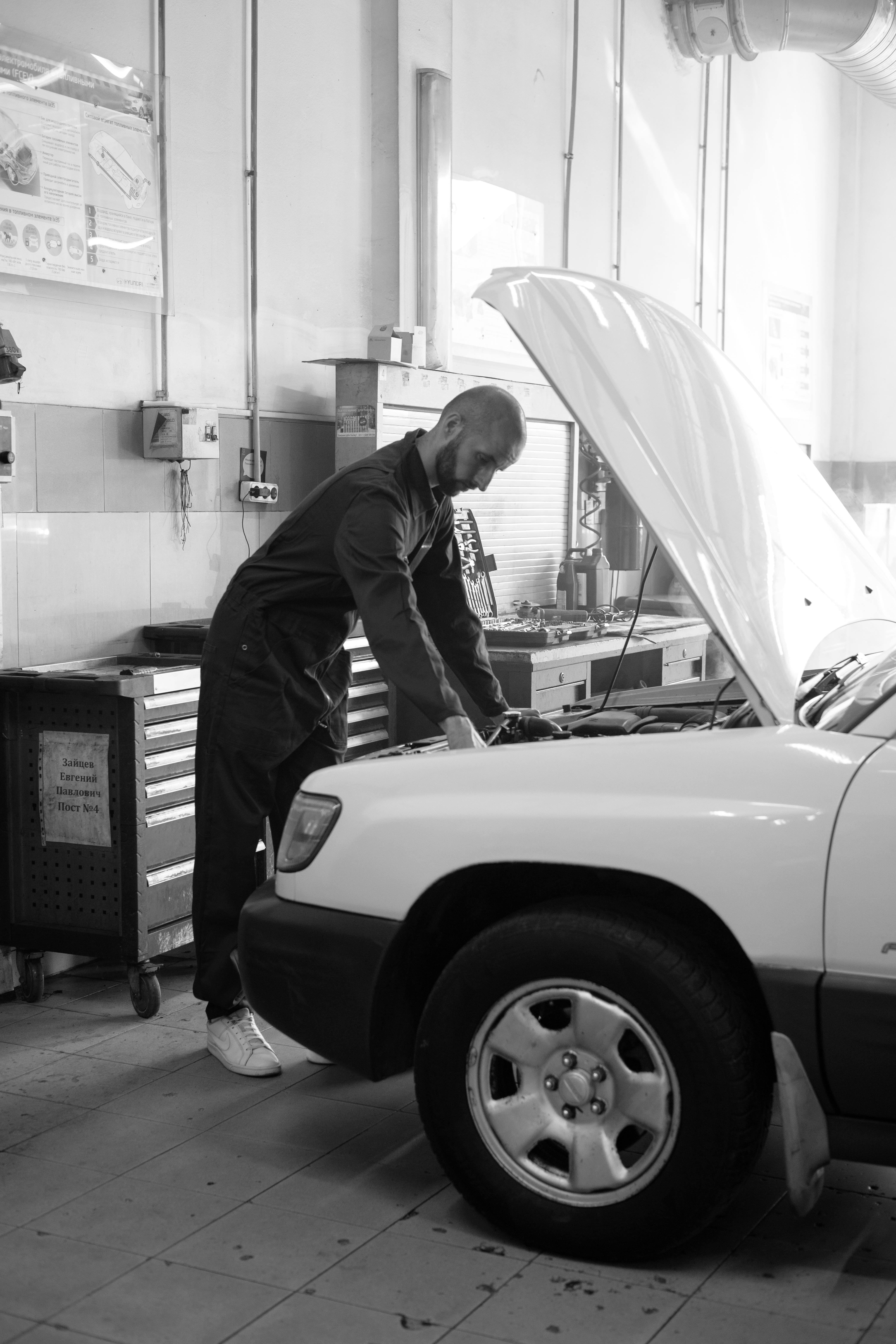
A busy shop isn't always a clean shop, but there's a difference between working-messy and chaotic-messy. A floor covered in old parts with no organization, tools left on cars, safety equipment nowhere in sight — these aren't just aesthetic issues. They tell you something about how that shop runs.
You're also looking for posted certifications. ASE-certified shops are required to display their credentials. If a shop claims to be certified but you don't see anything on the wall, ask. A legitimate shop won't be annoyed by the question.
The Estimate Conversation
Before any work is done, you should get a written estimate. Not a number rattled off while the service advisor is looking at their clipboard. An actual written document with line items.
Red flags in the estimate conversation:
- Verbal-only pricing — "probably around $300, maybe more" is not an estimate
- Refusing to itemize parts and labor separately
- Diagnosing your car without looking at it — if they've told you what's wrong before they've inspected it, that's a problem
- Immediately quoting expensive repairs before doing any diagnosis
Pressure Tactics
This one is important. A shop that creates urgency — "we need to start today," "this price is only good right now," "if you drive this car it's going to fall apart" — is using sales tactics, not mechanical judgment.
A real safety concern deserves a real explanation. If a mechanic says your brakes are dangerous, they should be able to show you. Pull the wheel, show you the pad thickness, explain what they're seeing. If they can't or won't do that, the urgency may not be as real as they're making it sound.
"Pressure and urgency are sales tools. A mechanic who uses them on you is treating you like a customer to be closed, not a person to be helped."
Written Authorization
Before leaving your vehicle, you should sign a written repair authorization. This is a legal document that specifies what work you're authorizing and at what price. It protects you.
If a shop asks you to sign a blank authorization — "just so we can get started while we figure out what's wrong" — do not sign it. That blank form is a blank check.
One More Thing
Trust the feeling. If the service advisor is dismissive, talks over you, or makes you feel stupid for asking basic questions — that's information. You're the customer. You're allowed to ask questions. A shop that makes you feel otherwise is telling you how they operate.
EthicalMechanic.org is here to help you find shops that treat you like an adult. The red flags above are worth knowing before you ever need them.