There's a difference between the emergency kit you buy at a gas station and the one an actual mechanic puts together. The gas station version usually has a poncho, a tiny flashlight with batteries that died in 2019, and a pair of latex gloves. It looks like preparedness. It isn't.
Here's what people who actually fix cars keep in their own vehicles — including the stuff most drivers completely skip.
The Basics Everyone Knows (But Often Skips Anyway)
- Jumper cables — get the heavy-gauge ones, at least 12 feet long. The cheap thin cables from discount stores can melt on a large battery.
- Tire pressure gauge — not the little pencil type. A dial gauge or digital gauge is more accurate and easier to read.
- Flashlight — a good one, not a keychain light. LED headlamps are better because they're hands-free.
- First aid kit — basic bandages, antiseptic, pain reliever, any personal medications.
- Phone charger — a power bank that's actually kept charged. A dead phone in a breakdown situation is a serious problem.
What Mechanics Actually Add
This is where the list gets useful:
- A quart of oil — matching your car's spec, not whatever's on sale
- Coolant — premixed, because adding water in a pinch is fine but having the right stuff is better
- Duct tape and zip ties — the number of temporary roadside fixes these two items can accomplish is genuinely impressive
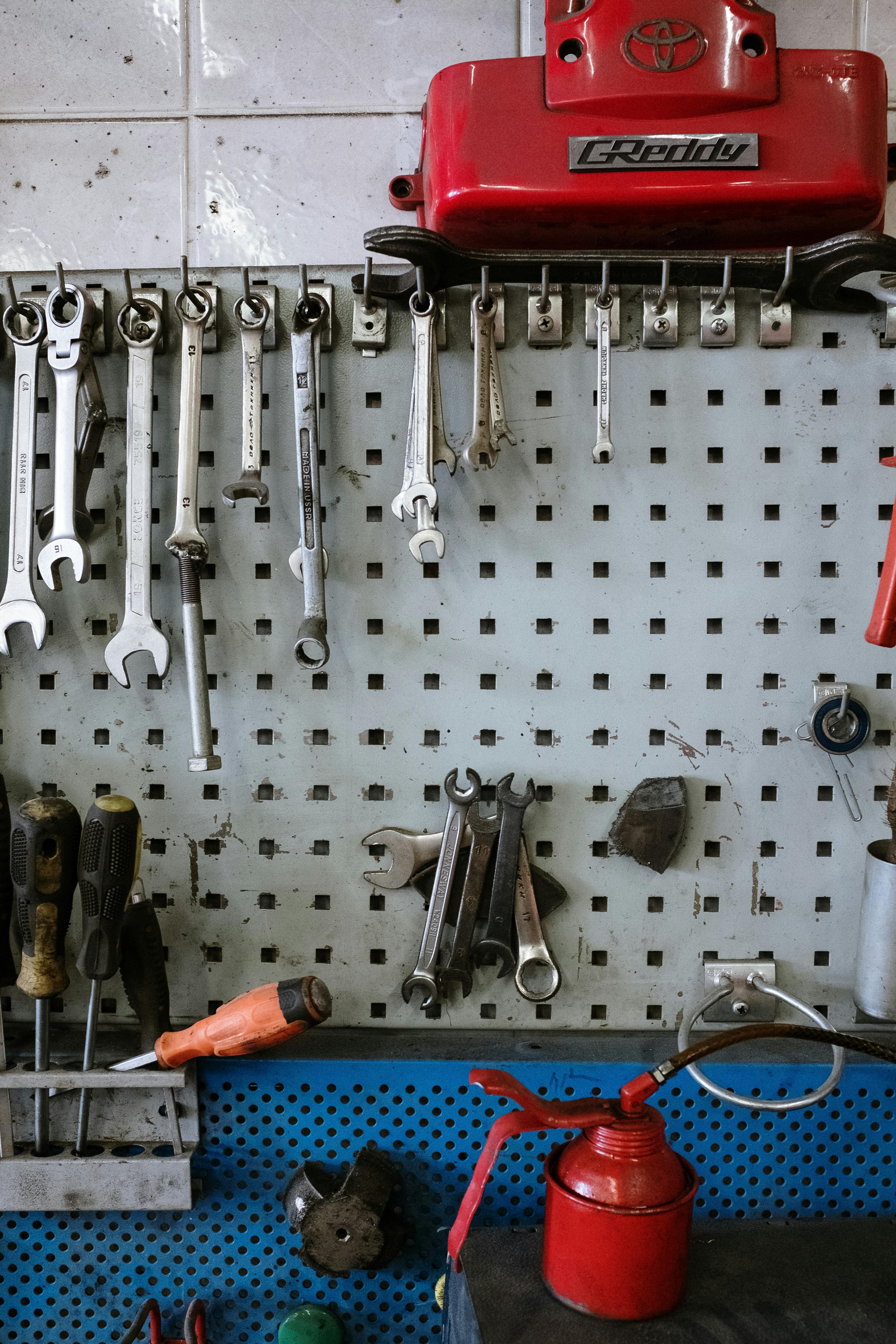
- A basic tool kit — screwdrivers (flathead and Phillips), pliers, adjustable wrench, and a socket set. Not a full rollaway chest — a compact kit that fits in a bag.
- Reflective triangles or road flares — these matter more than most people realize. Sitting on the shoulder in the dark without them is genuinely dangerous.
- Gloves — real mechanic's gloves, not latex. You may need to handle hot or sharp components.
The Things Most People Skip
"The two items I see missing from almost every driver's car are tow straps and fix-a-flat. Neither one is glamorous. Both have saved people hours of waiting."
- Fix-a-flat or a tire plug kit — for a slow leak, this buys you time to get to a shop instead of waiting for a tow
- A tow strap — if someone can pull you out of a ditch or mud, you need one
- Extra fuses — a blown fuse takes three minutes to fix if you have the right one in the car
- Cash — some tow operators and rural shops don't take cards reliably
One More Thing
Check your spare tire. Right now, if you haven't recently. A flat spare is no spare at all.
EthicalMechanic.org can help you find a trustworthy shop along your route — but the goal is never needing one unexpectedly. A good kit and a quick pre-trip check are the best insurance you've got.