A Pennsylvania case involving two auto shops — Oilology and Irvine Alignment — resulted in charges related to 161 fraudulent vehicle inspections. Customers paid for state safety inspections. Their cars weren't actually inspected. They drove away with a sticker and a false sense of security.
That's not a paperwork violation. That's a public safety threat.
What a Real Vehicle Inspection Covers
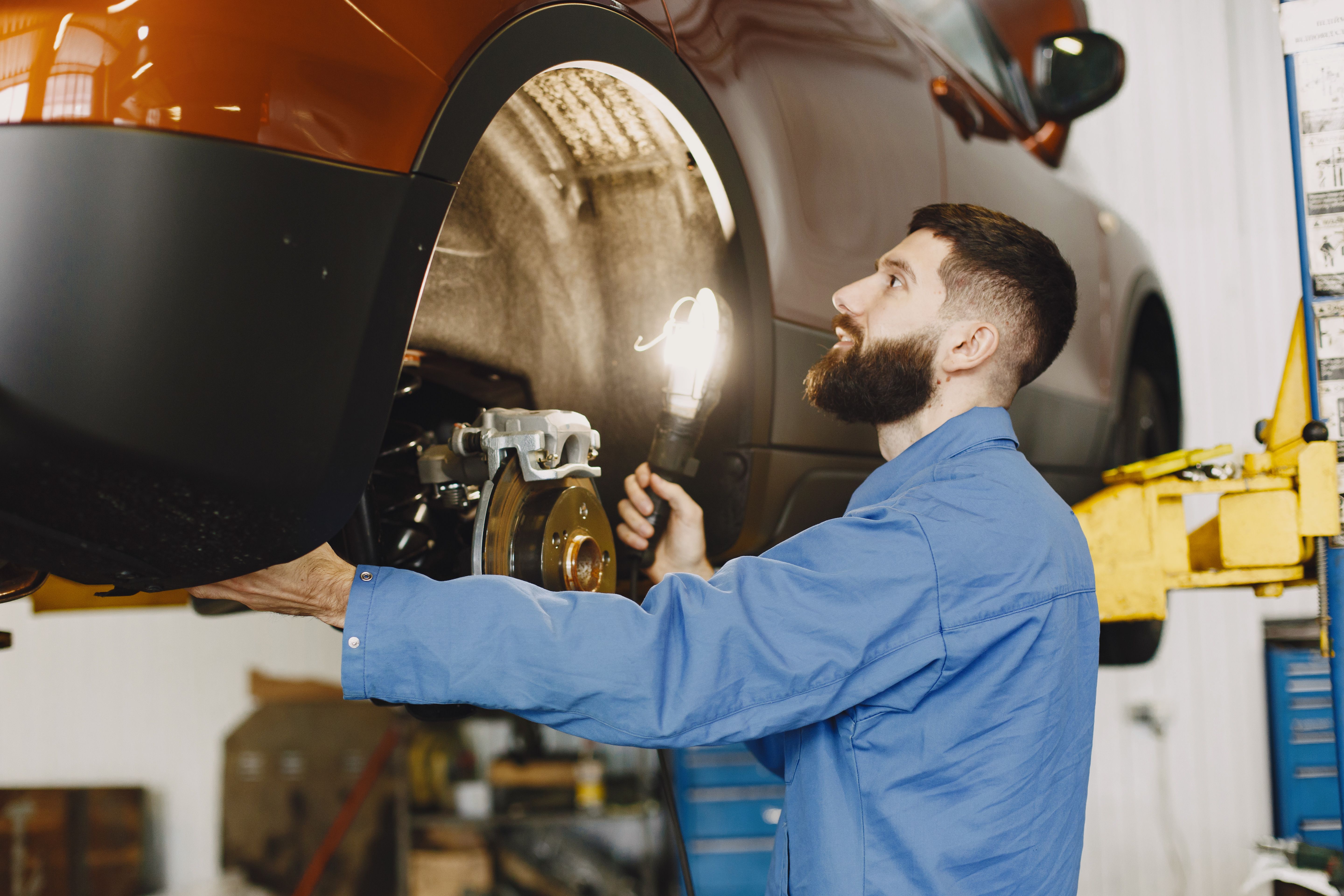
Pennsylvania's vehicle safety inspection program — like similar programs in other states — requires technicians to physically examine and verify dozens of systems. A legitimate inspection includes:
- Brakes — pad thickness, rotor condition, brake lines
- Steering and suspension — tie rod ends, ball joints, wheel bearings
- Tires — tread depth, sidewall condition, proper inflation
- Lights — headlights, brake lights, turn signals, hazard lights
- Windshield and wipers — cracks, visibility obstructions, wiper function
- Horn, mirrors, and seatbelts
- Emissions — in states with combined safety/emissions programs
Done properly, this inspection takes time. A technician has to get the car on a lift, check the undercarriage, test the systems. It cannot be legitimately completed in five minutes.
Signs Your Inspection May Not Have Been Real
This is the uncomfortable reality: most drivers can't tell whether their car was actually inspected. But there are red flags:
- It was done suspiciously fast — a legitimate inspection takes 30–60 minutes
- No one asked you to wait or called when it was done early — you walked in and walked out too quickly
- The shop was clearly overwhelmed — too many cars, not enough bays, and yours moved through in minutes
- You weren't told about anything — a real inspection often finds at least one item to note, even if it's minor
- The price was unusually low — shops that charge rock-bottom inspection prices sometimes aren't doing the work
"A car that passes inspection on paper but wasn't actually checked is more dangerous than one that fails. You think you're safe. You're not."
Why Fake Inspections Are a Public Safety Issue
Vehicle inspections exist because worn brakes, bad tires, and failing suspension components kill people. Not occasionally — regularly. When inspections are falsified, vehicles with serious safety defects stay on the road with the official stamp of approval.
The Oilology and Irvine Alignment case matters beyond Pennsylvania because the same fraud happens in every state with inspection programs. The shops that do it are betting on the fact that most customers never find out — and most don't, until something fails catastrophically.
What You Can Do
- Ask to watch or get a call when something is found — legitimate shops welcome this
- Request documentation — a real inspection generates a checklist or report
- Report suspicious inspections — in Pennsylvania, file with PennDOT; in other states, contact your DMV or state police
EthicalMechanic.org helps drivers find shops that treat inspections — and every other service — as a professional obligation rather than a transaction to rush through. Your car's inspection sticker should mean something.