If you've ever handed your car over for a state vehicle inspection and wondered whether the inspector actually checked anything — Operation Cinderblock in Texas is the story that proves your suspicion wasn't paranoid.
In one of the largest vehicle inspection fraud busts in U.S. history, the Texas Department of Public Safety uncovered a sprawling "clean scanning" operation that issued more than 1.5 million fraudulent inspection stickers without ever checking the vehicles.
What Actually Happened
The scheme was simple and effective. Inspection stations — some of them legitimate businesses that crossed a line, others set up specifically to run the fraud — would charge customers for inspections they never performed. A technician would pull up the state inspection software and approve a vehicle without putting it on a lift, without checking brakes, without verifying lights, emissions, or anything else required by law.
Some stations were doing this almost exclusively.
The DPS investigation led to:
- 49 arrests across multiple counties
- Over 1,764 inspector licenses revoked
- Two DPS employees arrested for taking approximately $110,000 in bribes to look the other way
That last part is what makes this case especially troubling. The fraud wasn't just happening at the shop level. State employees whose job was to oversee the system were being paid to ignore it.
Why This Matters Beyond Texas
"A vehicle inspection that isn't real isn't just fraud — it's a car with unknown safety problems driving on the same roads as everyone else."
The point of mandatory vehicle inspections isn't just paperwork. Brakes fail. Tires go bald. Lights burn out. Exhaust systems crack. An honest inspection catches those problems before they cause accidents. A fraudulent one puts everyone at risk — the driver, passengers, and everyone sharing the road with them.
When 1.5 million inspections are fraudulent, that's 1.5 million vehicles on Texas roads with unverified safety status.
What You Can Do
If you're getting your vehicle inspected, a few things to watch for:
- It should take time. A real inspection takes 15–45 minutes depending on your state's requirements. If you're in and out in five minutes, ask questions.
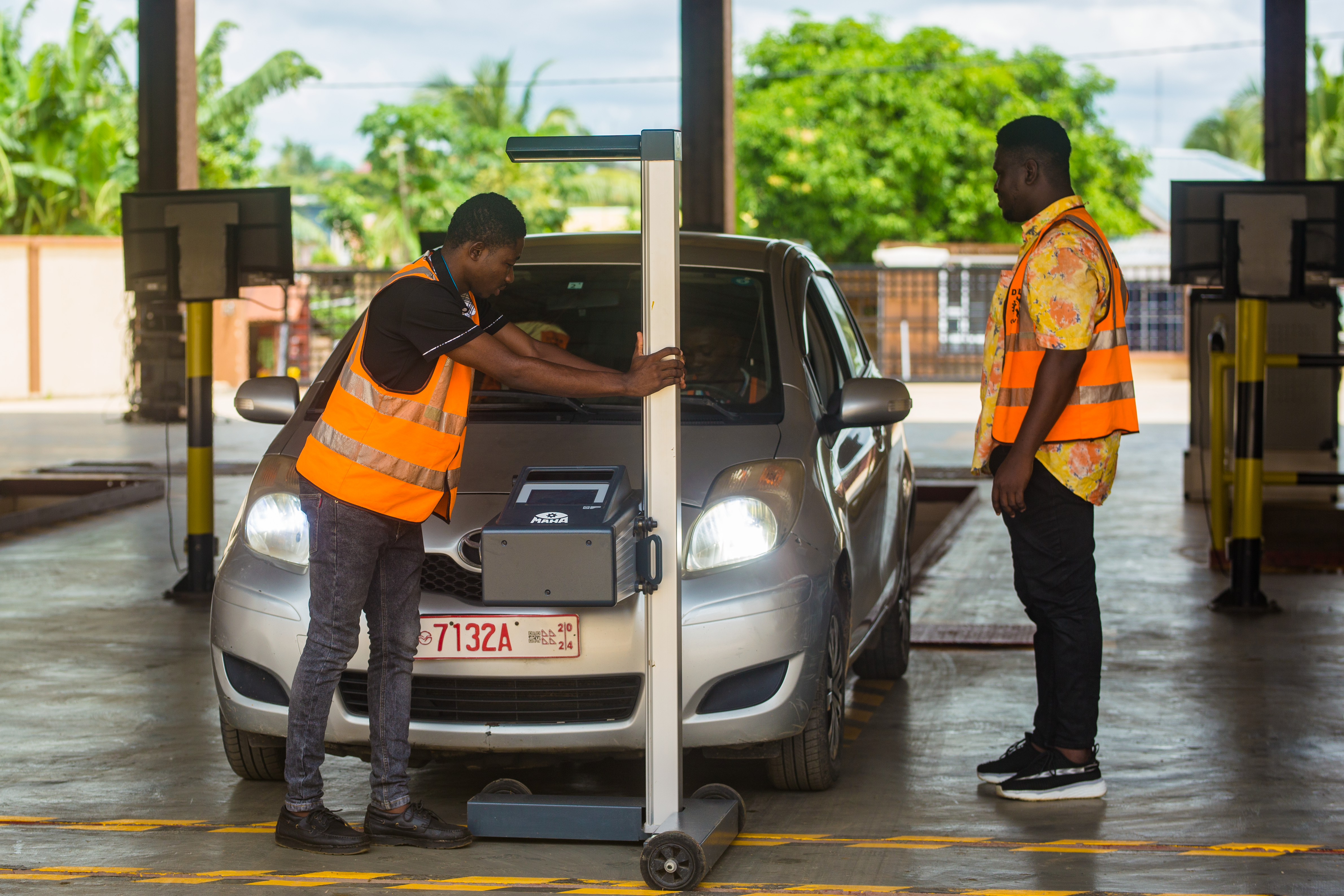
- You should see the inspector working. They should physically examine your vehicle, not just type on a computer.
- Ask what they checked. A legitimate inspector can walk you through what passed and what, if anything, they flagged.
Finding a shop you trust for both inspections and repairs isn't always easy — but it's worth the effort. EthicalMechanic.org exists to help you do exactly that. Transparency and accountability at the shop level is how we prevent the next Operation Cinderblock.